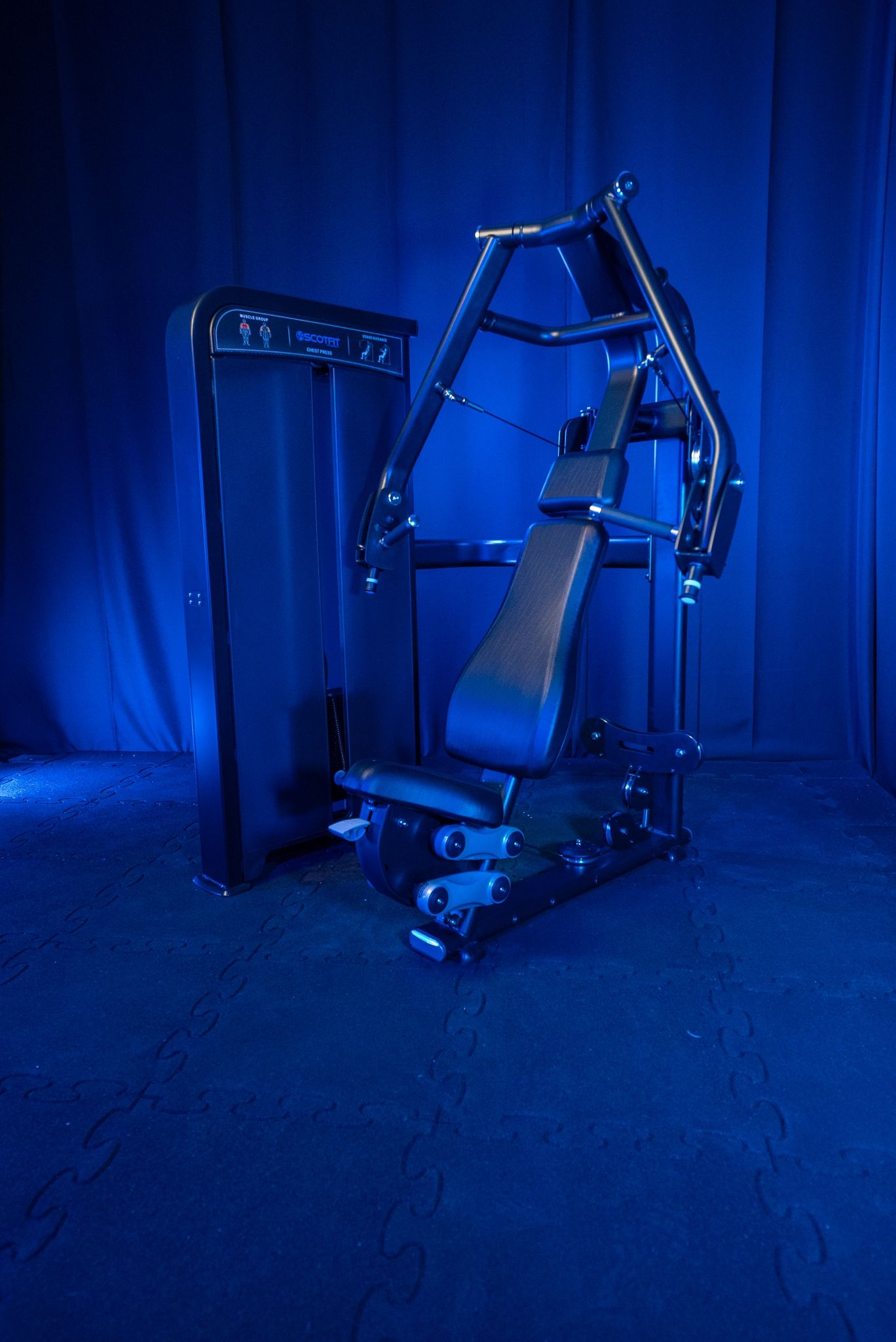
Zenith Series Launch, Shandong

It can be hard to work out with so many distractions and obstacles keeping us from the gym. When we are able to work out, focusing on the exercise and blocking out distractions can be even harder. Too often, we power through a workout and check it off the list without thinking about how to improve our mental health. So how do we cut through the distractions to get the most out of our workouts?

Experts say that without a mindful approach to exercise, we risk poor results or even injury. Mindfulness involves paying attention to your breathing—and, to some extent, even controlling it. Breathing exercises can also improve your mental health. Use these three easy-to-remember techniques to optimize your breathing before, during, and after exercise.

Before: Set a Clear Intention

Set an intention for your workout, based on the time and space you have available. Examples of intentions might include making sure you breathe during stressful moments or savoring your rest periods by staying fully present in your breath. If you only have 30 minutes, structure your workout accordingly and set a clear intention. Check in with that intention regularly throughout your workout.

Take a moment before you start to check in with your body through breathwork. Focus on your inhale and notice where the breath flows easily in your body. “Are you tensing up in certain areas?” asks Tory. “Then you might be tight there. Pay attention to what your body is telling you and apply that to your workout.” If you want to improve your mental health, it starts with paying attention.

During: Use Your Breath as a Guide

Be mindful of your breathing as you exercise. If your breaths become shorter and faster, that’s a natural response to the physical effort your body is exerting. “If you’re tensing up or holding your breath, you may be overexerting yourself,” says Tory. Breathing correctly will reduce stress, help guide your workout, and improve your mental health.

If you're working out with a partner, you can use the "you-go-I-go" technique.

“As your partner exercises, you can recover by breathing mindfully to slow down your heart rate. When doing partner exercises, synchronize your movements and your breathing,” says Tory. “This will deepen and strengthen the emotional connection between you.”

After: Recover with Rhythmic Breathing

Speed up your recovery by incorporating breathing exercises into your stretching routine. “Focus on the areas you worked during your workout,” says Tory, “Breathe deeply into the stretch and loosen up that tissue.”

The goal is to reach a relaxed state by returning to rhythmic nasal breathing as soon as possible. By pursing your lips and focusing on breathing through your nostrils, the rhythm of repetition will signal your body to relax.

Consistency is more important than perfection. If you want to improve your mental health, you don’t have to make drastic changes to your entire routine—just start incorporating mindfulness and breathwork into your existing routine. 

The smaller the change, the more sustainable it will be. Don’t tell yourself you’ll be mindful every minute of your workout. You’re bound to get distracted. Just keep coming back to your breath.

Now that you’ve added it to your toolkit, you can turn to mindful breathing anytime as another way to improve your physical and mental well-being. So just breathe.

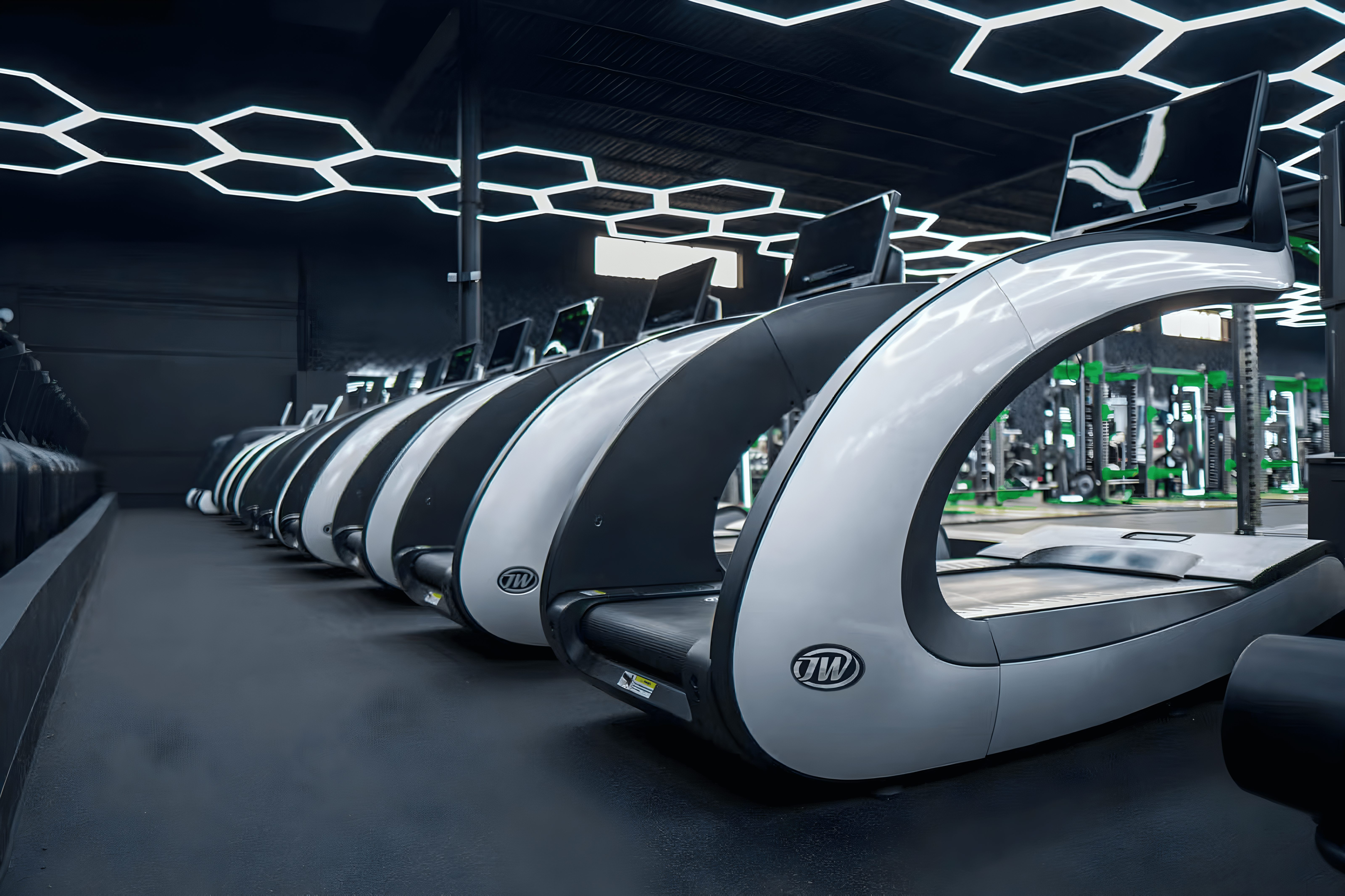
cardio_Treadmill_scotfit

FIBO 2025, Cologne

For over 30 years, we at Scotfit have been a fixture at FIBO, the world’s leading trade fair for fitness, wellness, and health, which runs from the 10th

ATOMIC Series

The Atomic Series from Scotfit represents our core collection of selectorized equipment and, with its customizable housing design options, offers tailored solutions for any training environment. This series

FIBO 2024, Cologne

This year, Scotfit proudly celebrates more than two decades of continuous participation in FIBO, the world’s largest trade show for fitness, wellness, and health, which

Hashtag